


The Logic of Seasonal Vitality: Fresh Poi Saag from Our Farms
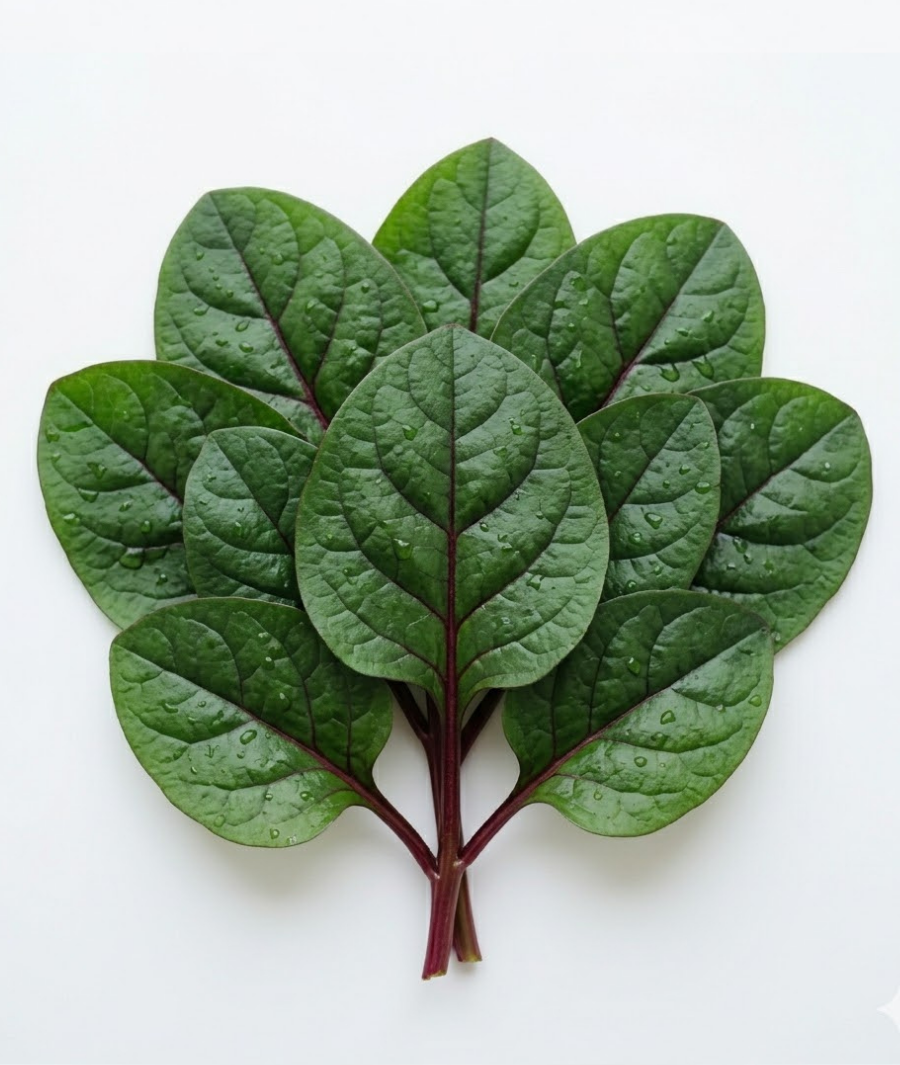
Since 2016, we have focused on reviving traditional farming to protect your health and the environment. Our Desi Poi Saag, also known as Malabar Spinach or Basella Alba, represents a vital part of our Local Strategy for fresh greens in the Delhi-NCR region. While industrial spinach often wilts during long transits, our Poi Saag is harvested in the early morning specifically for our local community. Because these succulent, thick leaves are high in moisture, they require the rapid “field-to-home” delivery that only our trusted network can provide. Consequently, you receive a “living food” that is significantly more vibrant and nutrient-dense than any market alternative.
By choosing our harvest, you are opting for a powerhouse of cooling energy grown through natural methods like Jivamrit. We strictly reject the synthetic growth hormones and toxic pesticides commonly used in mass-market leafy greens. Therefore, our Poi Saag offers a clean-label experience that supports your systemic wellness. Whether you are adding it to a traditional dal or a summer stir-fry, you can taste the difference that twenty years of agricultural expertise brings to your kitchen.
Nutritional Power & Digestive Logic
Poi Saag is prized in traditional diets for its cooling nature and its unique ability to support the digestive tract. We grow our greens in mineral-rich soil to ensure every leaf delivers maximum therapeutic value.
-
Natural Gut Soother: Because Poi Saag contains a high amount of mucilage, it acts as a gentle prebiotic for your gut. For this reason, it is a logical dietary choice for anyone looking to ease constipation and support a healthy microbiome.
-
Immune & Vision Vitality: Our harvest acts as a rich source of Vitamin A and Vitamin C. Since these antioxidants protect your cells from oxidative stress, regular consumption helps fortify your immune system and maintain sharp vision.
-
Blood-Building Minerals: It provides a significant amount of iron and calcium. Consequently, it supports healthy hemoglobin levels and bone density, making it an essential green for growing children and active adults.
-
Systemic Cooling: Since Poi Saag is technically a succulent, it helps the body manage internal heat during the intense Delhi summers. Therefore, it serves as a functional tool for maintaining hydration and metabolic balance.
How to Prepare Your Harvest
Because our Desi Poi Saag is so fresh and chemical-free, you can use the tender, succulent stems along with the leaves for maximum nutrition. Here is how to make the most of your bunch:
-
The Perfect Sauté: Quickly sauté the leaves with garlic and our Cold-Pressed Yellow Mustard Oil. This is the most logical way to preserve the heat-sensitive vitamins while adding a rich, nutty flavor.
-
Traditional Dal Poi: Add finely chopped saag to your lentils during the final stages of cooking. Since the leaves are thick, they maintain a beautiful texture that pairs perfectly with Arhar or Moong dal.
-
Crunchy Poi Pakoras: Dip the broad leaves in a batter of gram flour and spices before air-frying. Because the leaves are succulent, they stay juicy on the inside while becoming perfectly crisp on the outside.
-
Summer Cooling Soups: Blend steamed Poi Saag with ginger and a pinch of our Hand-Pounded Pink Salt. For instance, it creates a light, hydrating base that is extremely gentle on the stomach.
The ERB Purity Promise
-
Mark of Local Sourcing: We harvest specifically for Delhi and Noida. This prevents the nutrient loss and enzymatic breakdown associated with industrial cold storage.
-
Chemical-Free Integrity: We use zero synthetic fertilizers or toxic sprays. Instead, our farmers utilize Panchgavya and herbal repellents like Dash Parni Ark to protect the crops.
-
Trusted Network: We verify the natural farming protocols of every farmer we partner with. Therefore, every bunch of saag is an honest reflection of the soil it grew in.
-
Sustainable Future: As part of the Satat Sampada social enterprise, your purchase directly supports rural farmers who are transitioning away from chemical agriculture.